concept
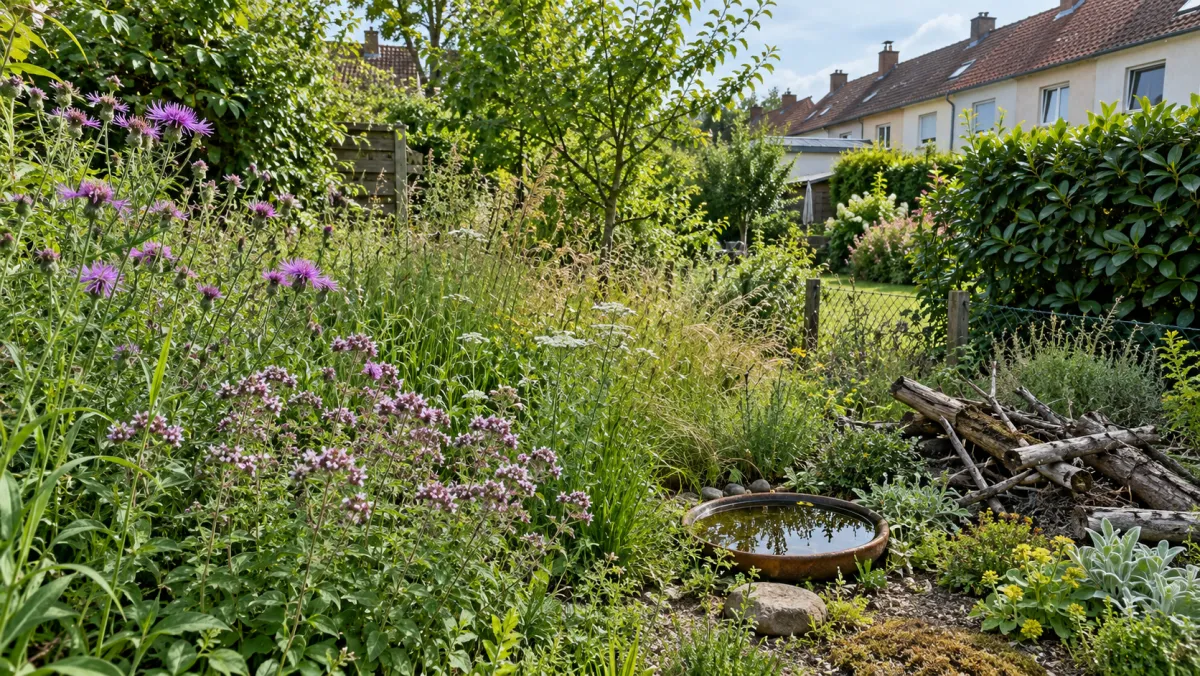
Understanding wildlife gardensGrades 5–10
A Garden Comes to Life
What lawns and gravel lack – and what brings animals back.

Learning Worlds · Education for Sustainable Development
20 interactive 360° learning worlds from the site check to a real garden project: habitats, biodiversity, water, cycles and near-natural care. Focus on lower secondary level.
Module Structure
Each learning world fits into a single lesson.
Five 360° scenes with hotspots, images and short videos.
Narration for every scene, also available as text.
In every scene, hotspots open images, short videos and explanations – in any order.
Five single-choice questions with feedback, including questions that weigh up options.
Optional extension after the quiz, not needed for the core objectives.
Hardware-independent use
Concept catalogue, October 2026. All 20 learning worlds are planned didactically. Each one is produced as soon as it is funded.
Wild bees are one sub-topic here (learning world 15). The separate Wild Bees catalogue covers species, ways of life and protection in depth.
What lawns and gravel lack – and what brings animals back.
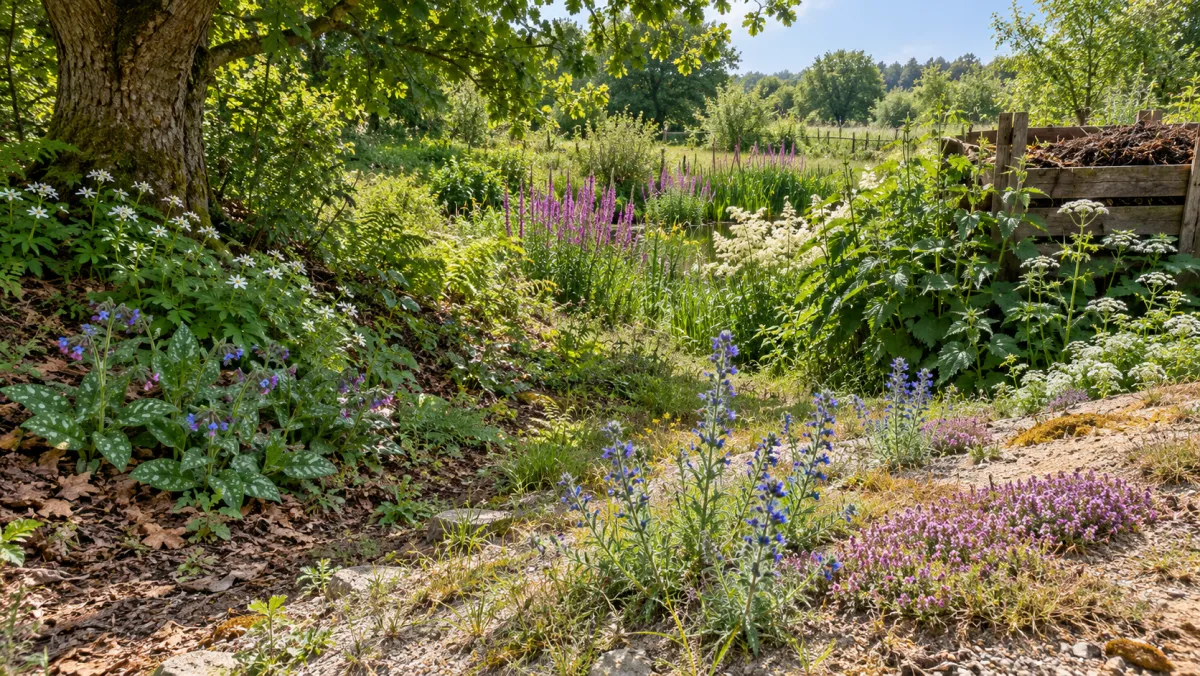
Where sun, soil and water decide – and which plant goes where.
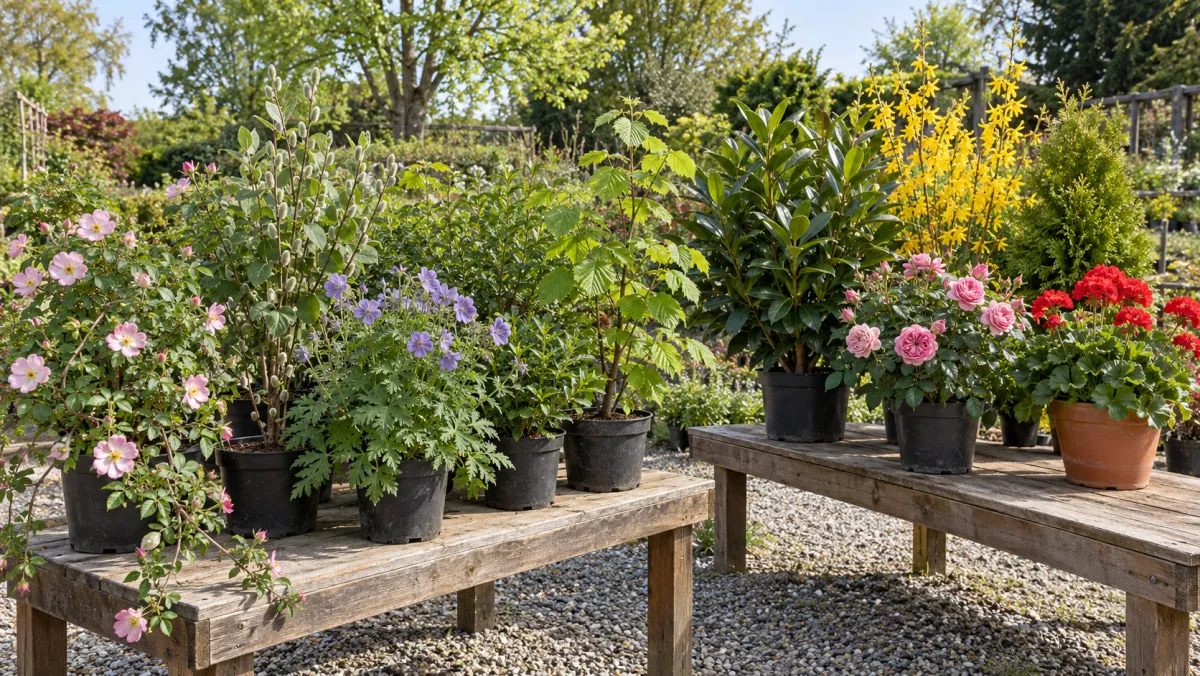
What wild plants offer – and why double flowers stay empty.
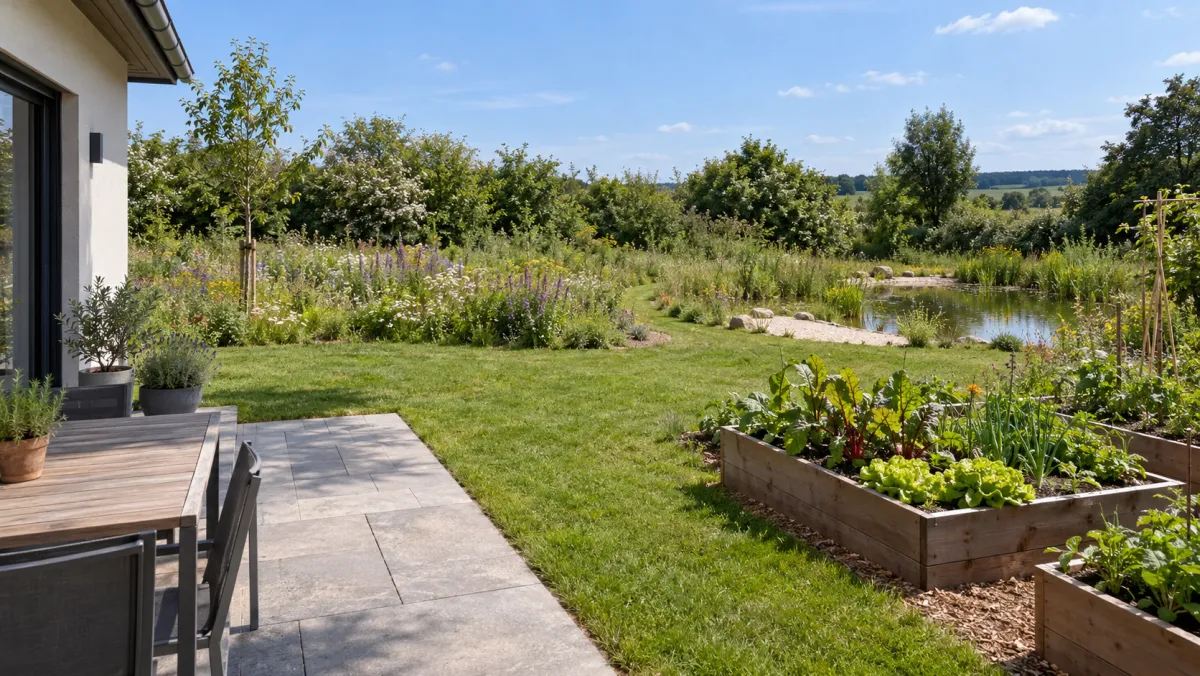
How wishes and habitats fit together – on one plot.
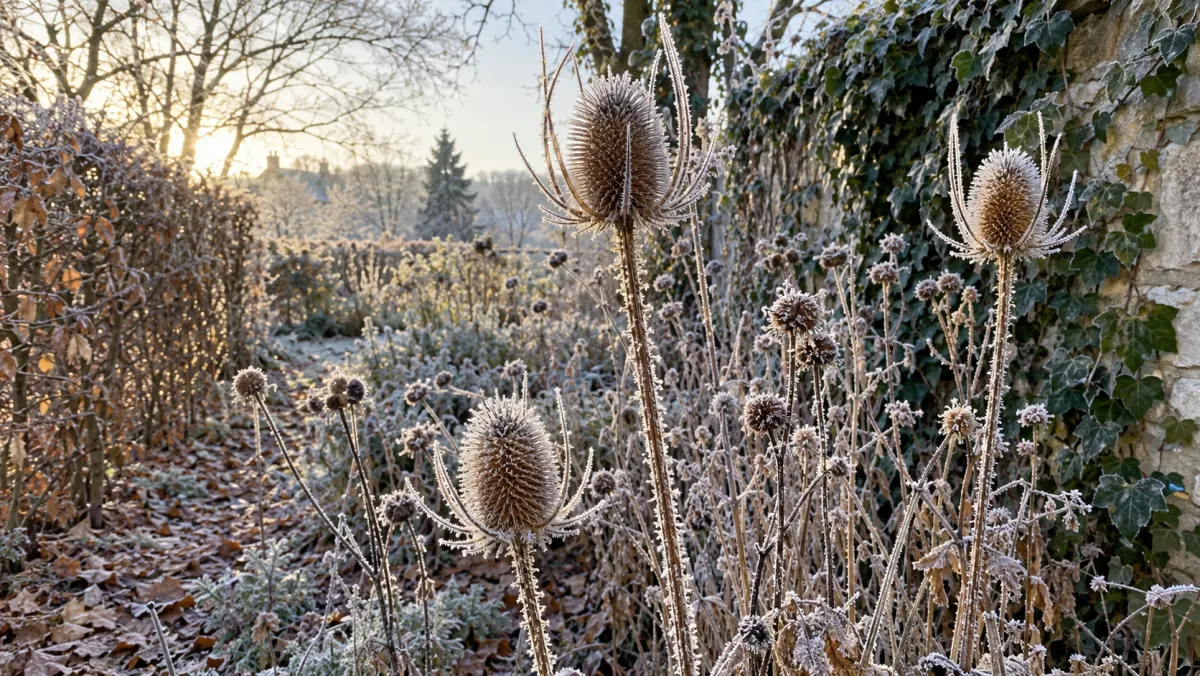
What the garden offers in winter – and when care really fits.
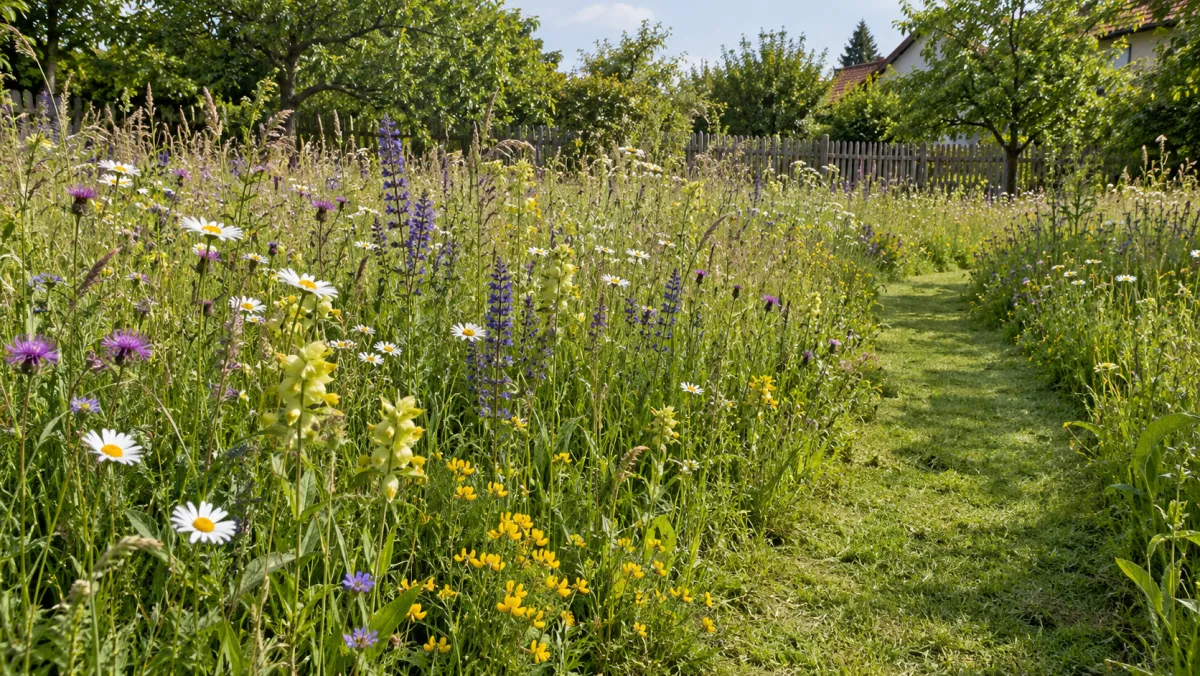
Why meadow flowers need lean soil – and when to mow.
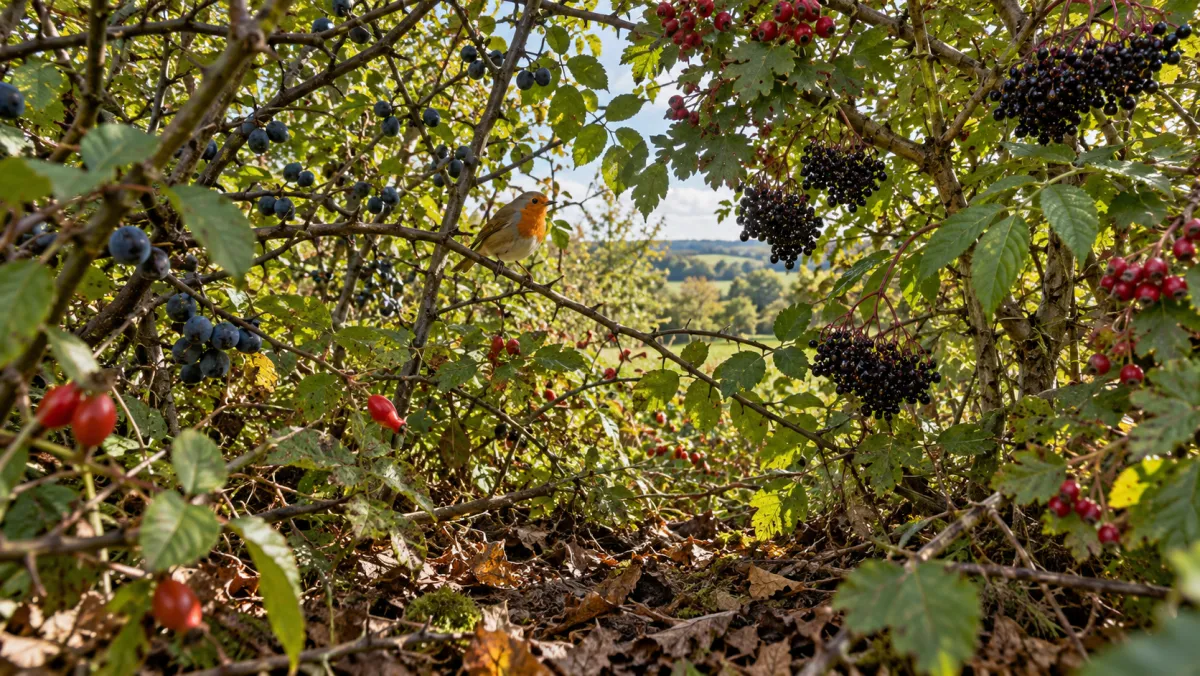
What lives in the hedge – and when it flowers and fruits.
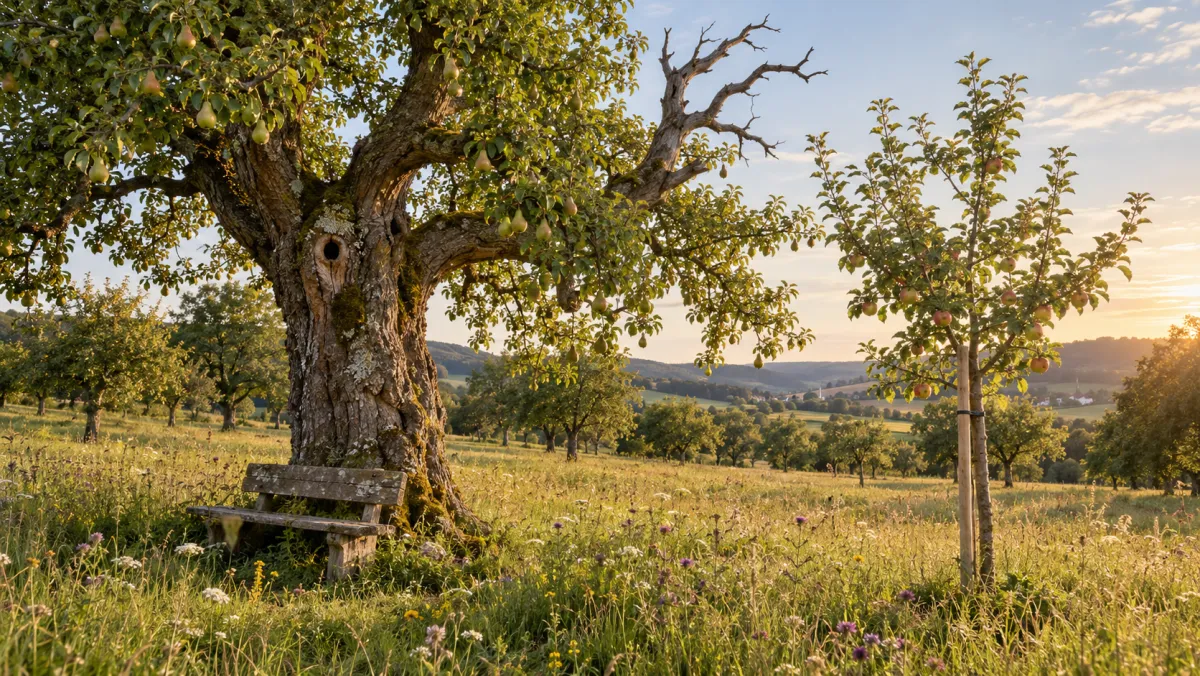
What old trees have over young ones – from root to crown.
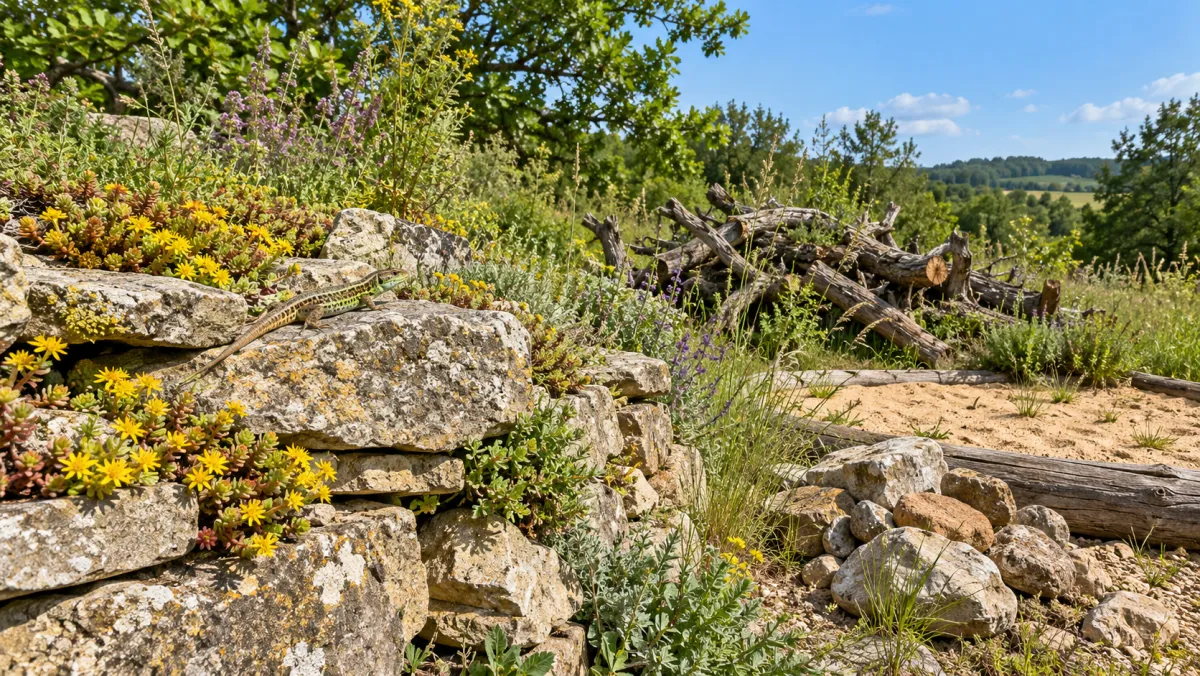
Who lives in wood, stone and sand – and why sun matters.
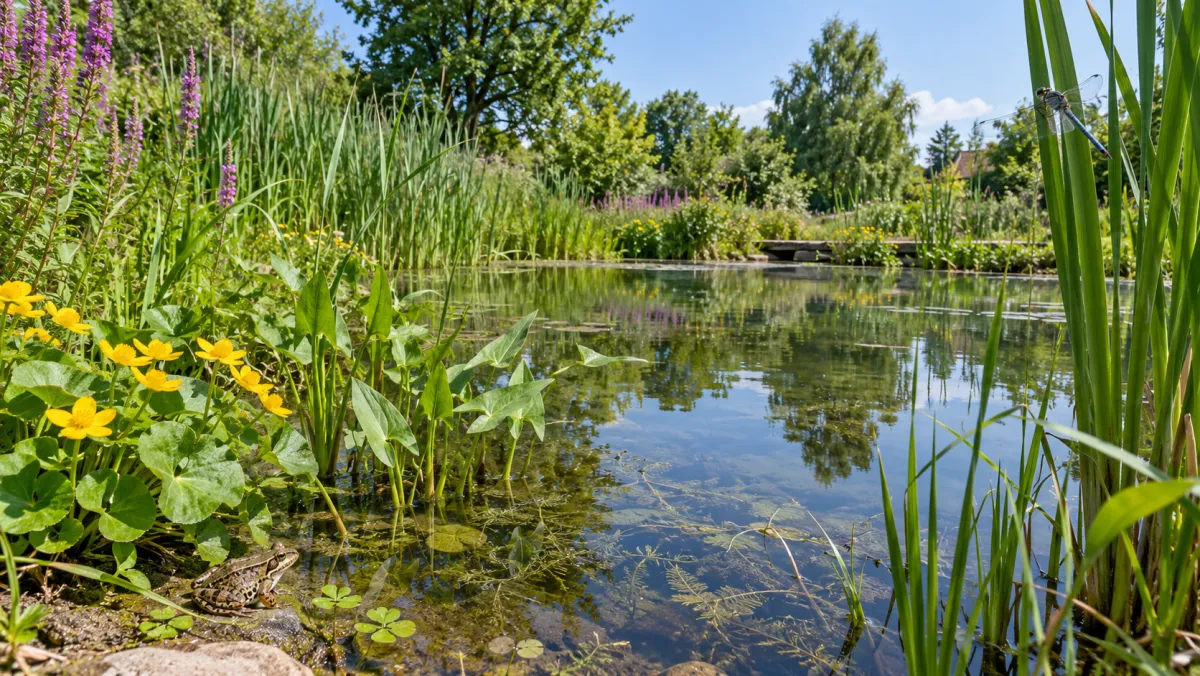
Why a pond thrives without fish – and how to make banks safe.
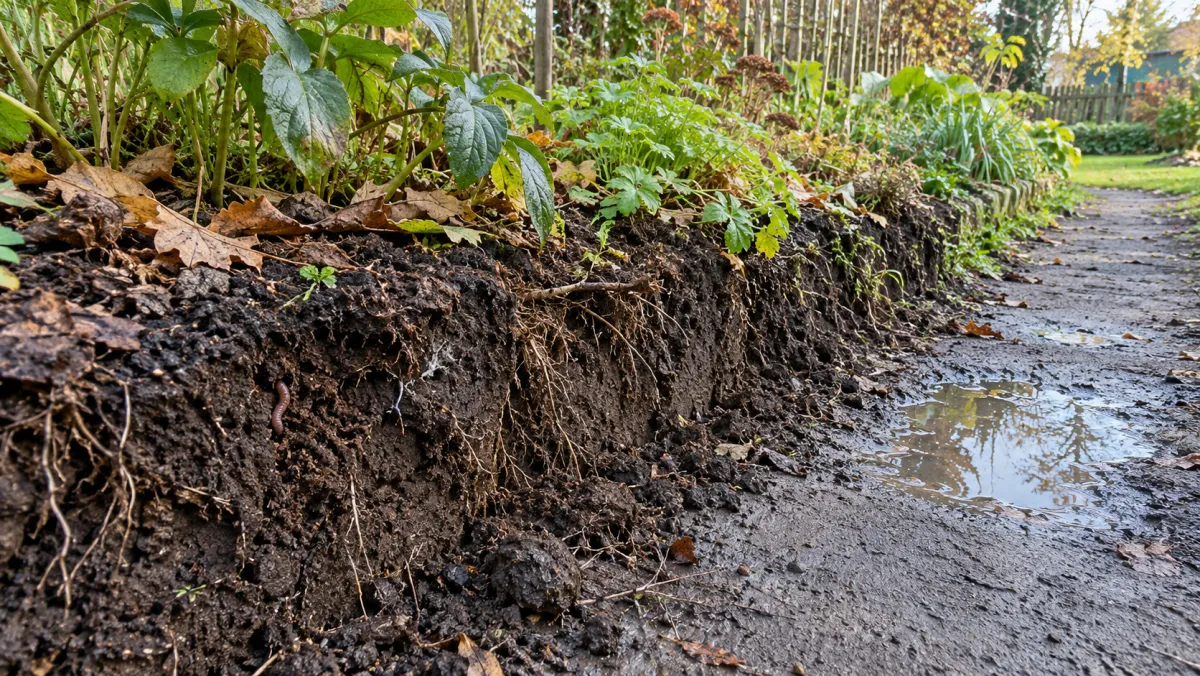
Who turns leaves into humus – and what compaction destroys in the soil.
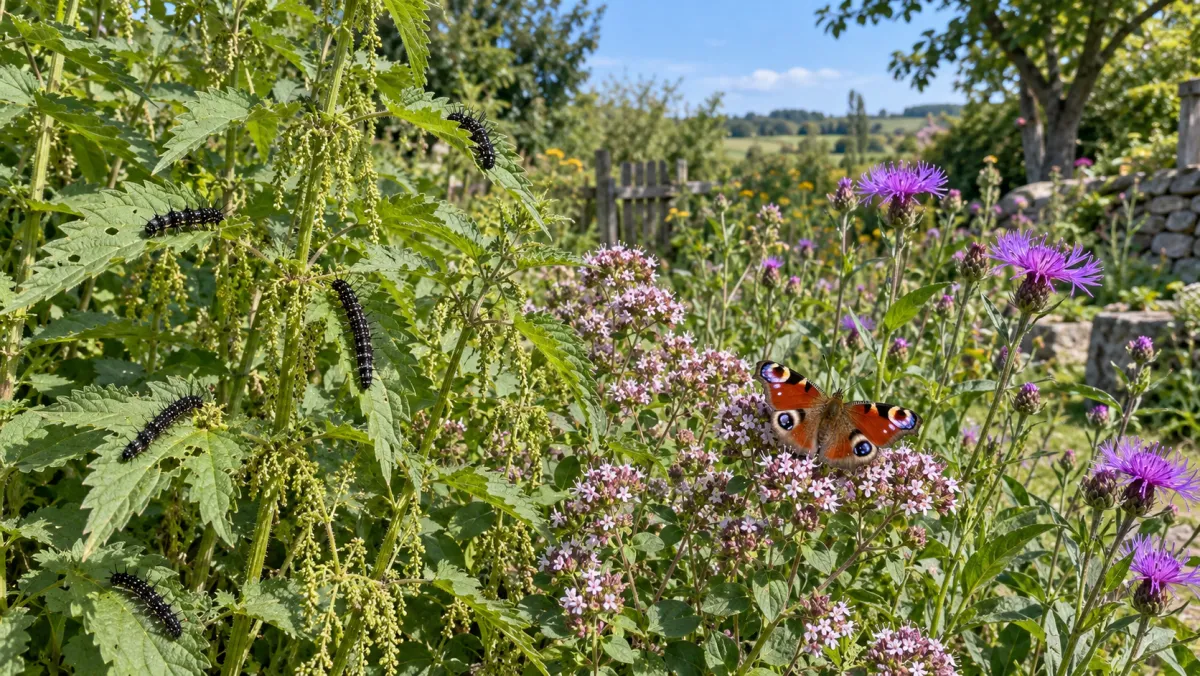
What caterpillars live on – and why nectar flowers alone are not enough.
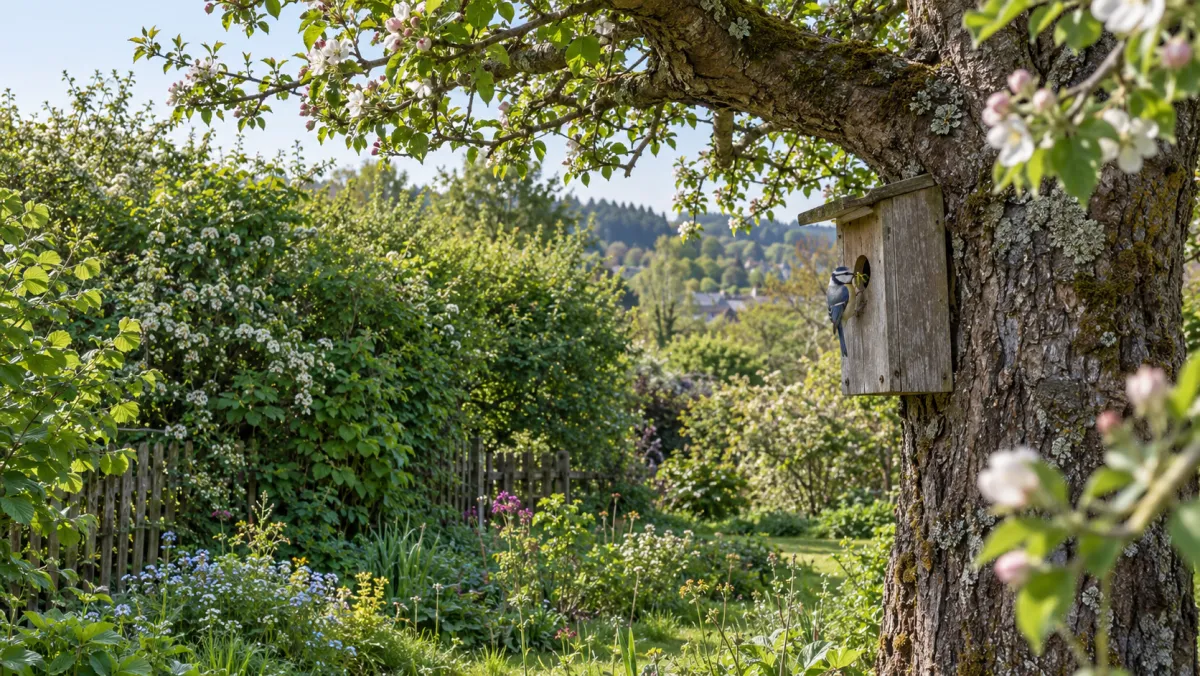
What nestlings eat – and why dense, quiet corners matter.
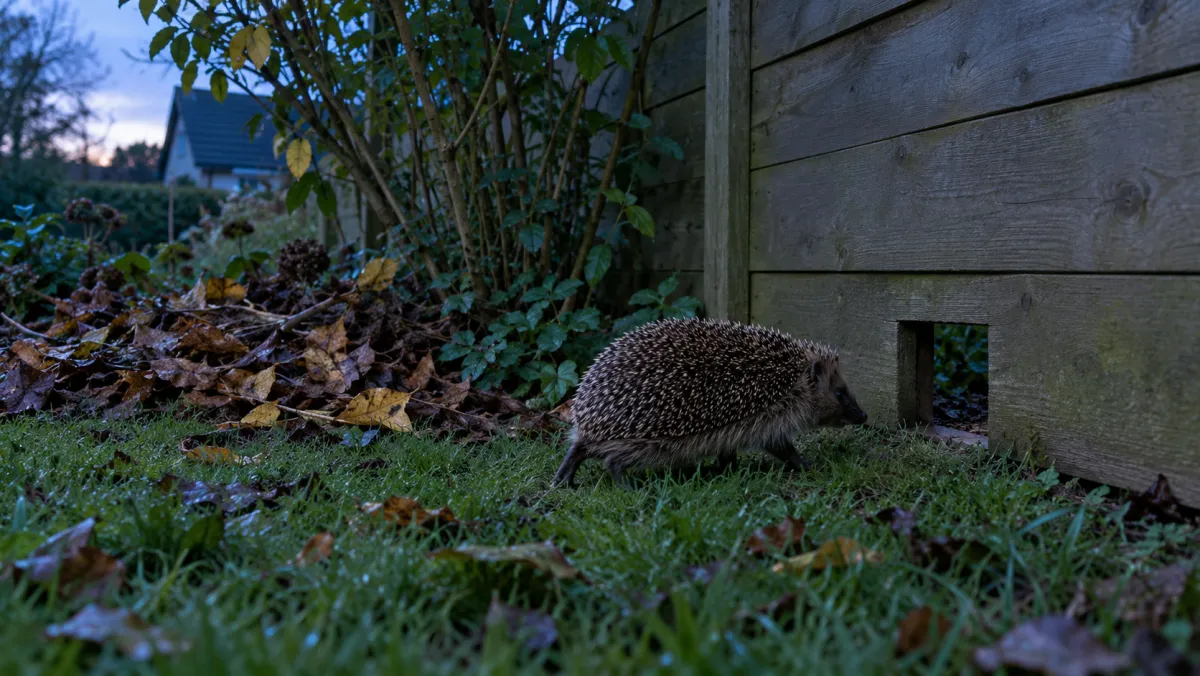
Where hedgehogs roam at night – and what stops them in gardens.
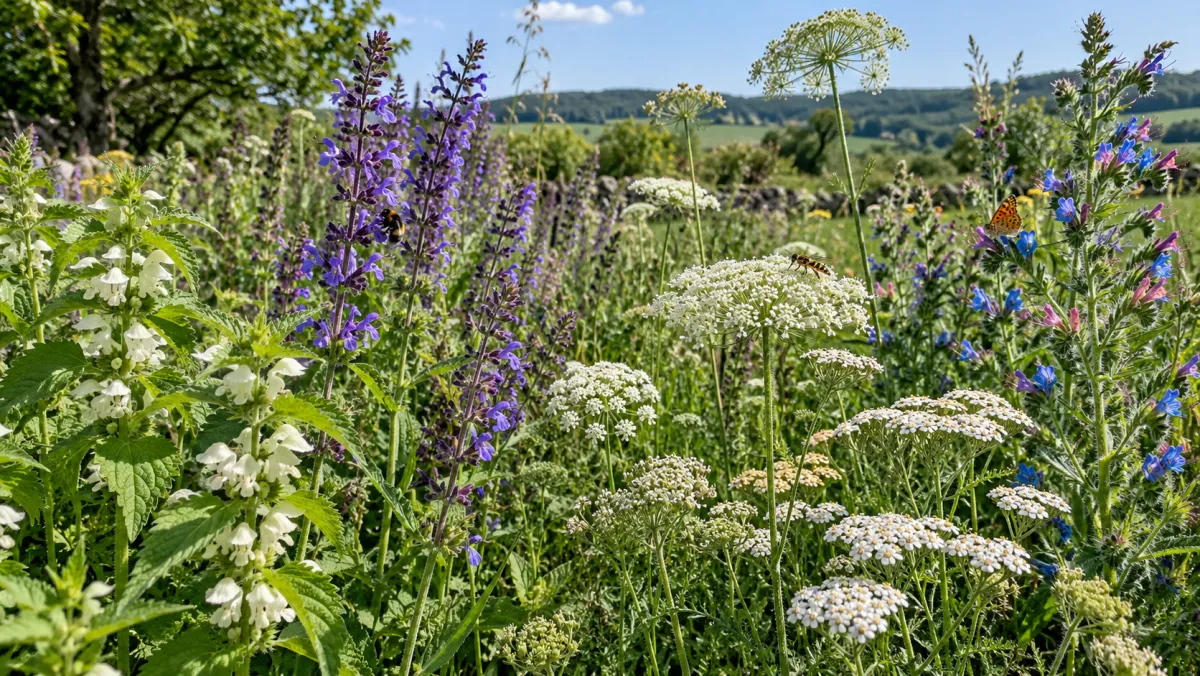
Who visits flowers – and why each group needs something different.
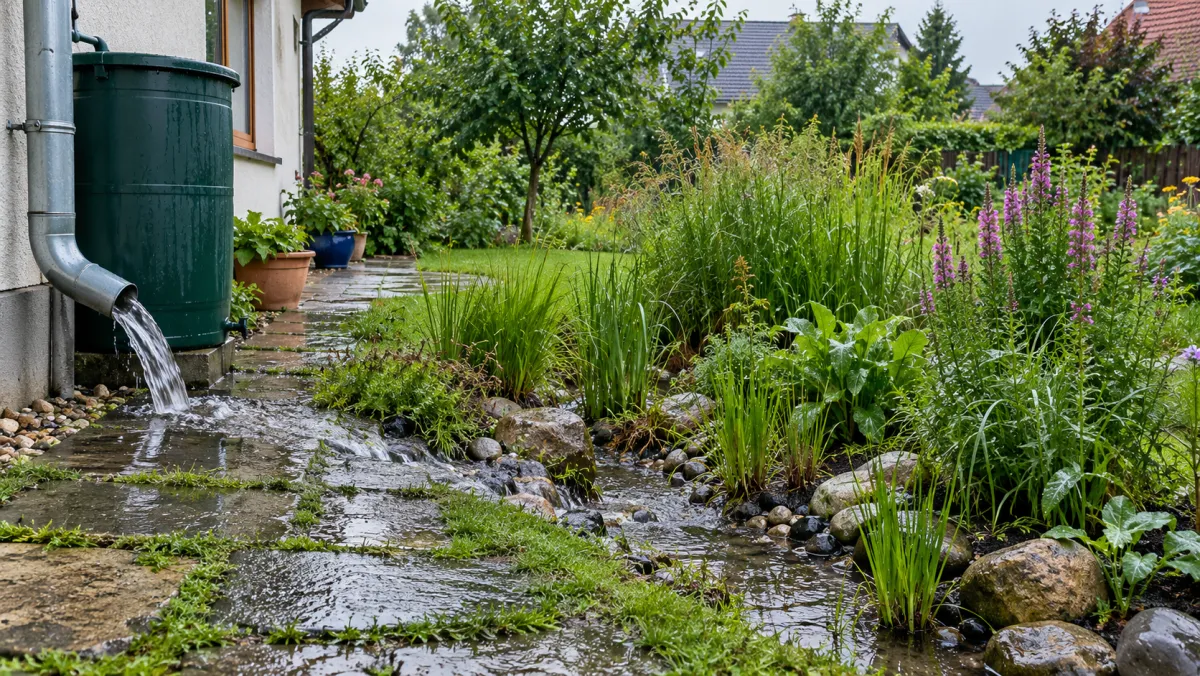
Where heavy rain flows – and how gardens store water for dry spells.
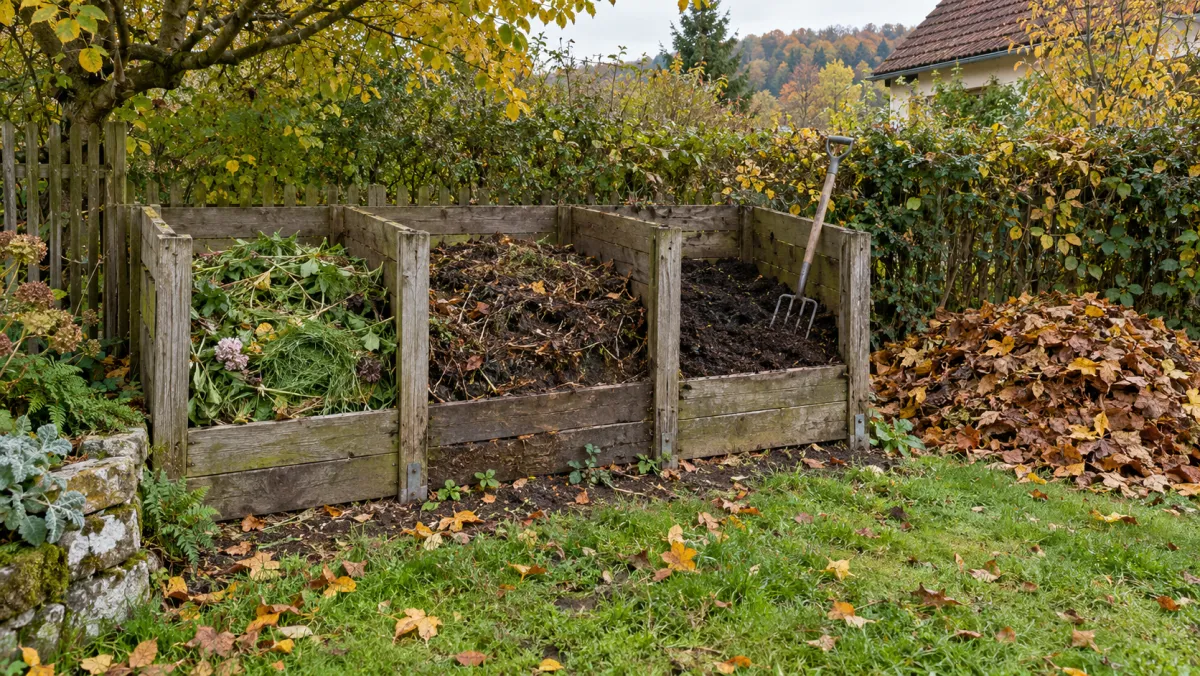
What happens in compost – and where leaves are better left lying.
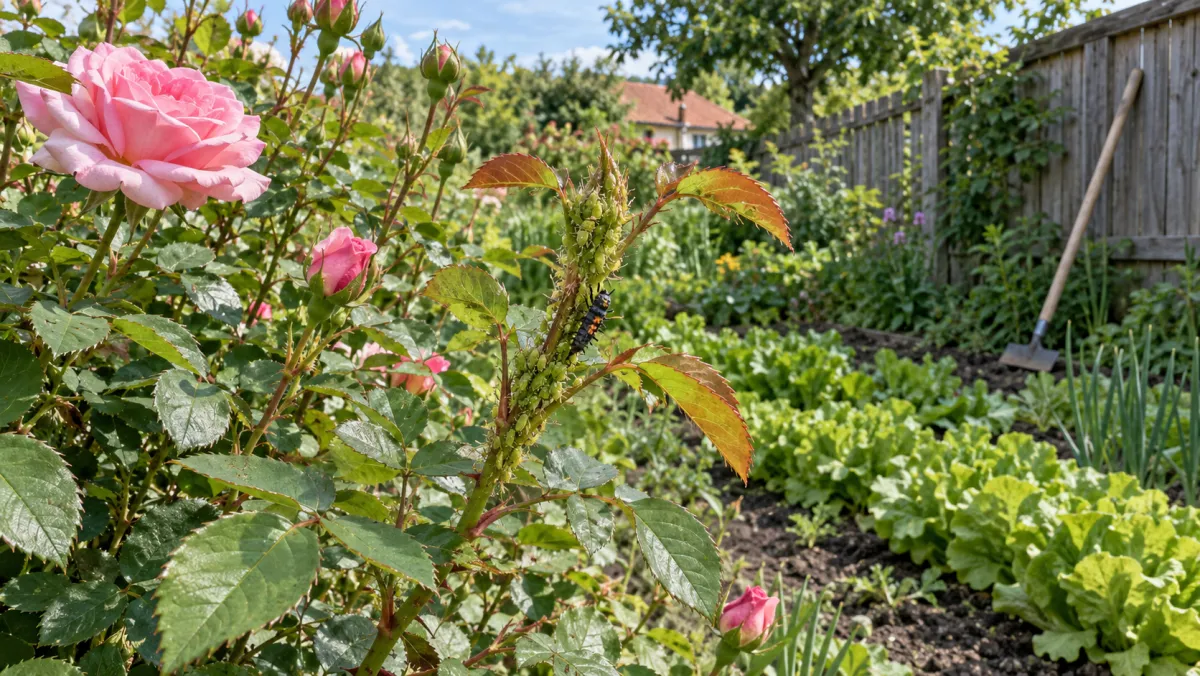
When to intervene – and how to do it without poison.
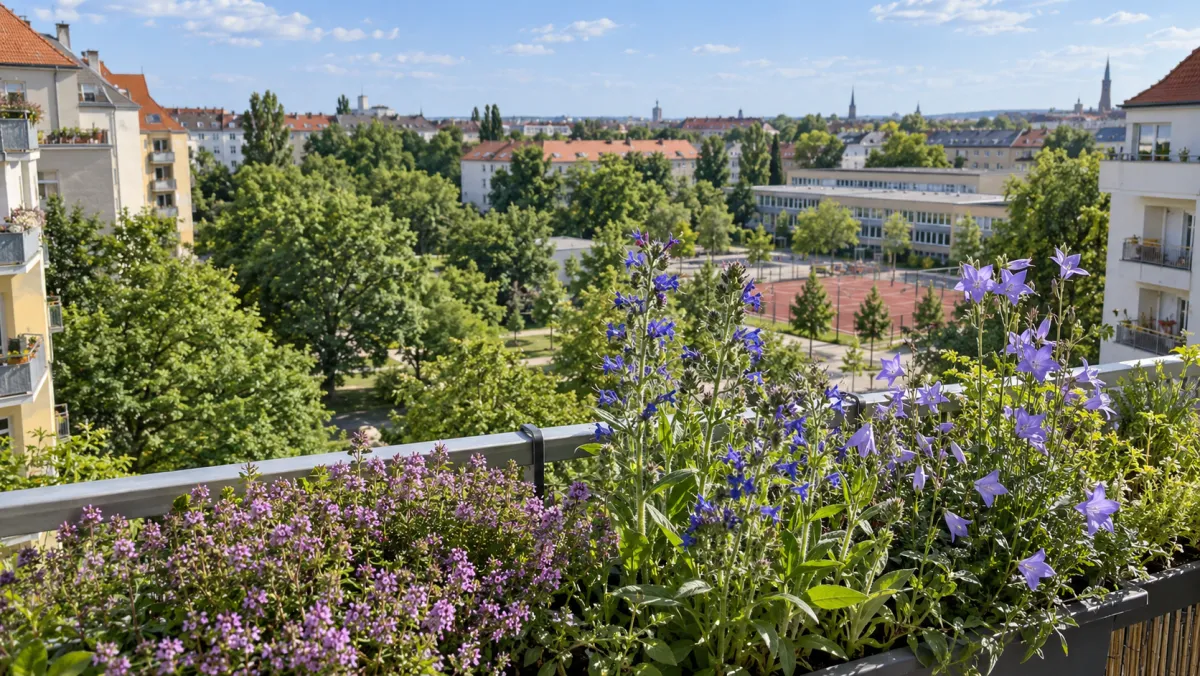
How small spaces connect species – from balcony to tree pit.
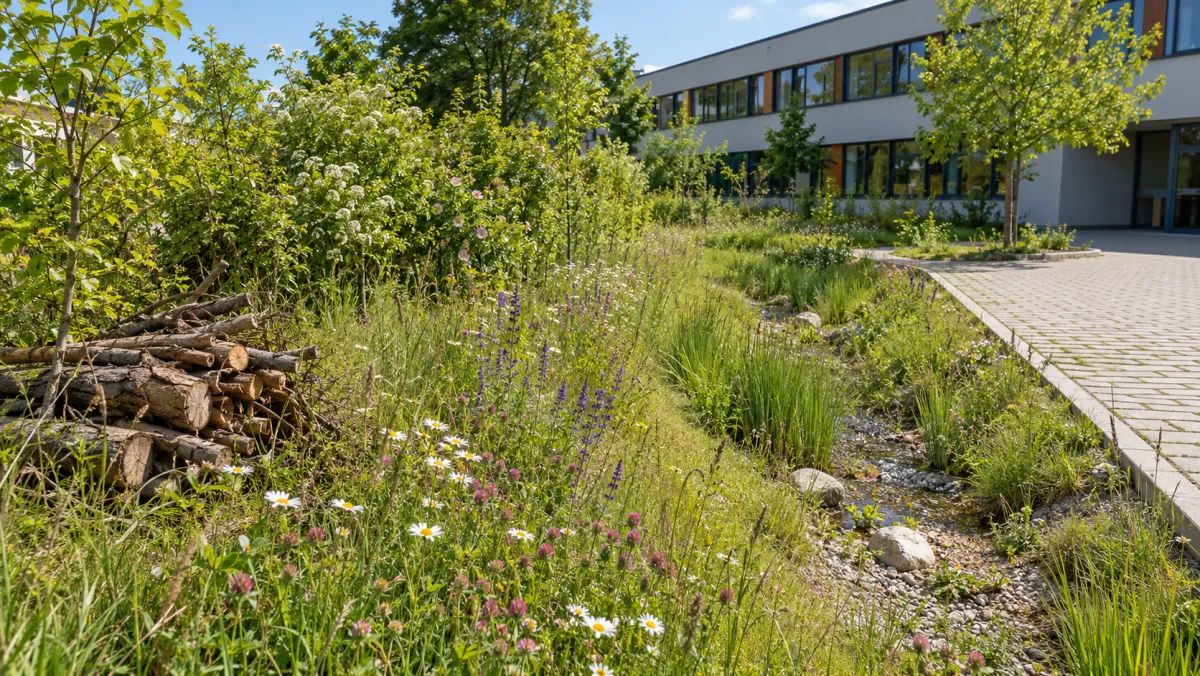
What comes first – and how to tell success after a year.
For Foundations & Sponsors
Sponsorship
A foundation or company sponsors a learning world for one or three years and makes it free for schools to use during that time — on tablets, computers, interactive whiteboards and VR headsets.
For €1,000 (one year) or €3,000 (three years) a learning world from this catalogue is produced and made freely accessible to all schools for that period — with visible credit as a sponsor.
Visually and linguistically immersive, didactically sound — a learning world that brings the funded topic to life. Online and offline in the free VR-Suite player.
During the sponsorship, schools use the learning world free of charge — in the browser, on the interactive whiteboard, on tablets and in VR headsets.
Every learning world in this catalogue is planned in terms of content and didactics: learning objectives, key terms, scenes and curriculum links are defined. Sponsorship pays for production — 360° scenes, narration, quiz and tasks.
For Teachers
Since all modules follow the same compact basic structure, the decisive question is the content fit and the specific learning value of VR for that topic.
All modules follow the same compact format and are therefore easy to place in existing lesson sequences.
The key question is not whether VR looks impressive, but where a spatially coherent 360° experience helps learners understand relationships more clearly than flat media.
Learning goals, SDGs and school relevance can be checked directly at the module level.
For the 'Why 360° / VR?' check, we focus above all on whether a module offers a real medium-specific advantage over textbook, worksheet or video. That benefit can already emerge in a browser-based 360° tour; the headset mainly increases immersion.
SDG-Icons: © United Nations. un.org/sustainabledevelopment. The content of this publication has not been approved by the United Nations and does not reflect the views of the United Nations or its officials or Member States.