
Assessment and feedback
Flawless homework, full of terms never used in class.

Searches ESD, Wild Bees, Wildlife Gardens, Chemistry and Career Worlds – similar terms too.
Learning Worlds · Teacher Education: Studies, Induction, Professional Development
22 360° learning worlds, one for each competence of the European framework for the digital competence of educators. In each, a teacher faces a decision that comes up all the time in school: how does a message reach every parent? What do you do when homework sounds like AI? You decide for yourself first, then see what the teacher does and what good digital practice looks like. You do not need a class of your own. The cases range from primary to vocational school; the people and schools are invented, every school knows the situations.
Flawless homework, full of terms never used in class.

Due Friday. At home, three siblings share one phone.
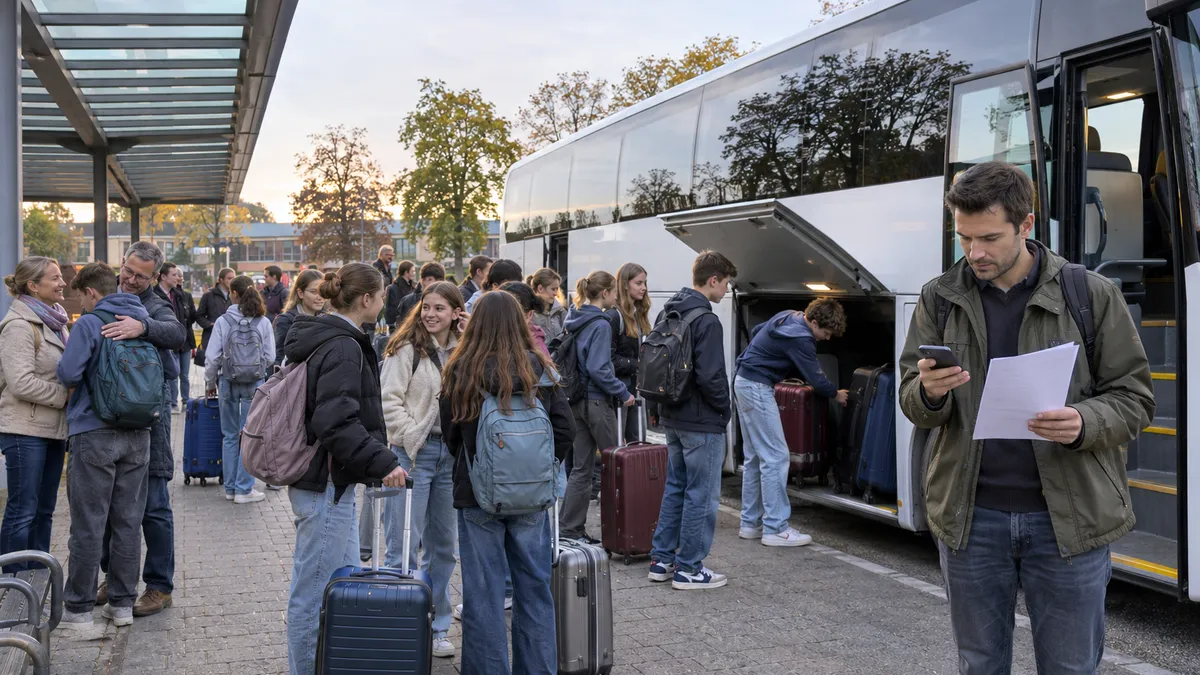
Class 8a leaves tomorrow. But where is the meeting point?
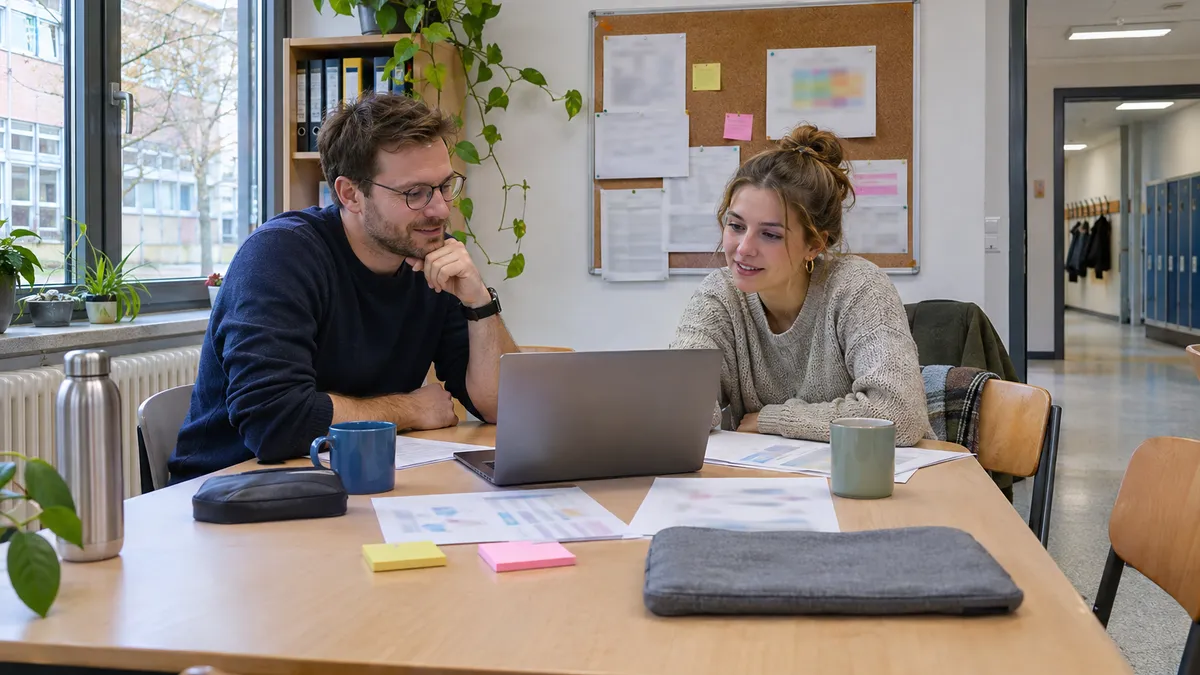
Two worksheets on the fox. Both ask what it eats.
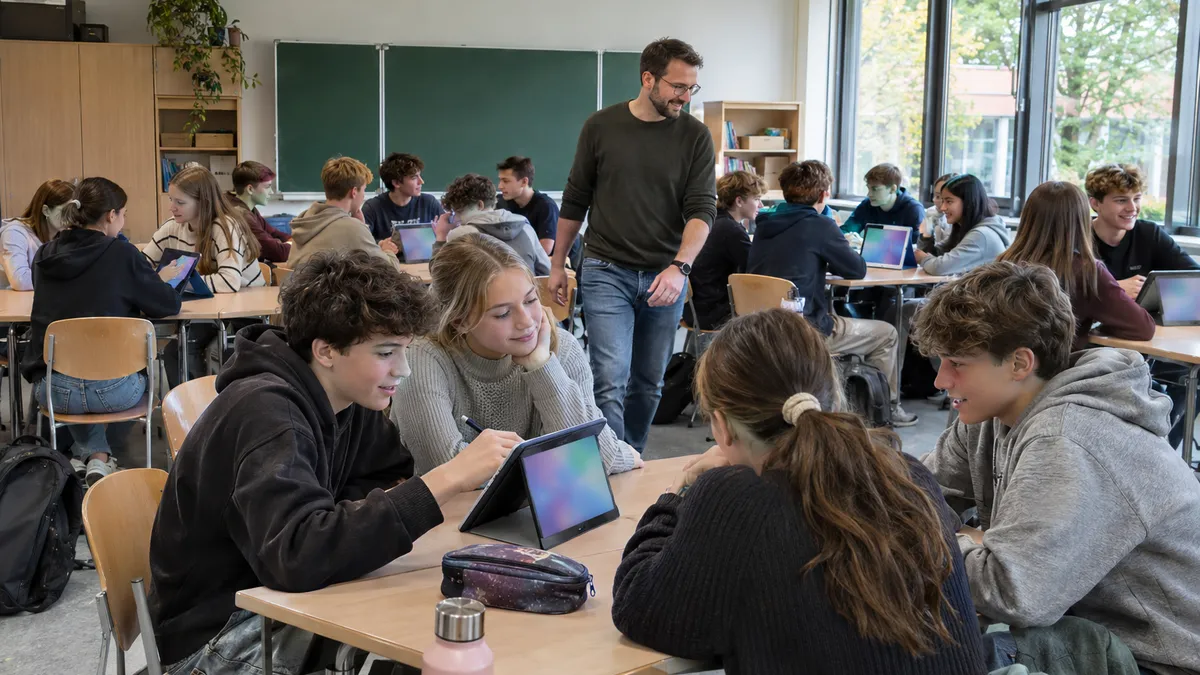
The lesson seems calm. The school bus tells another story.
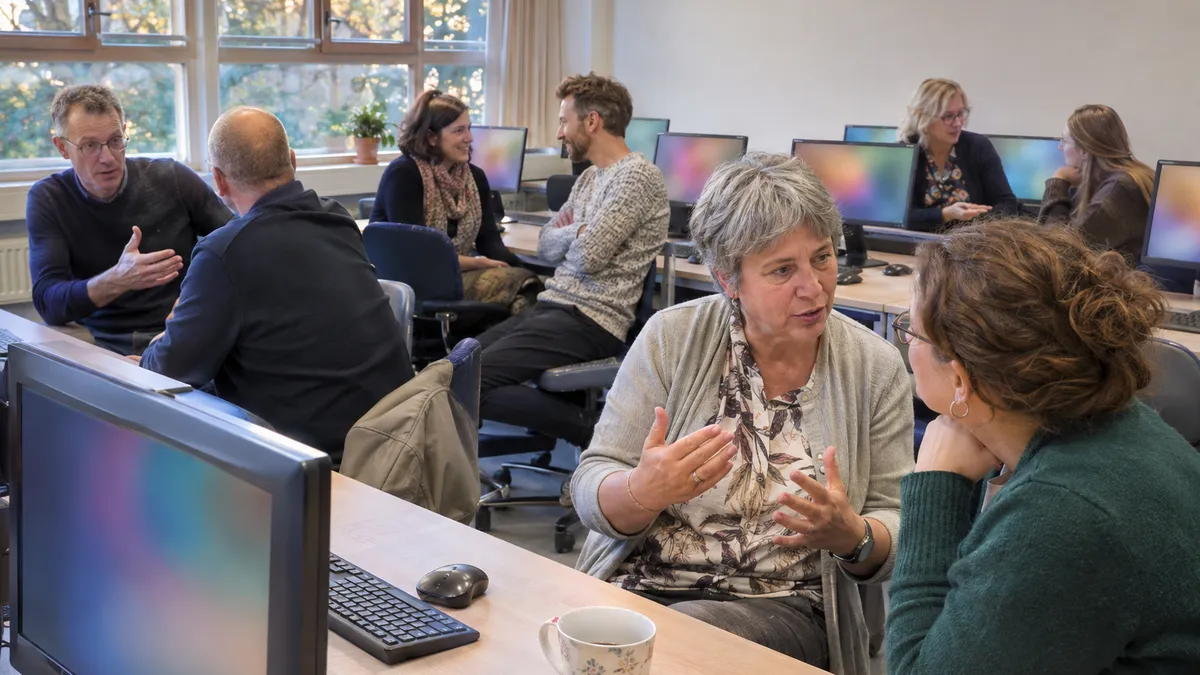
The image recogniser takes scissors for a pen. Why?
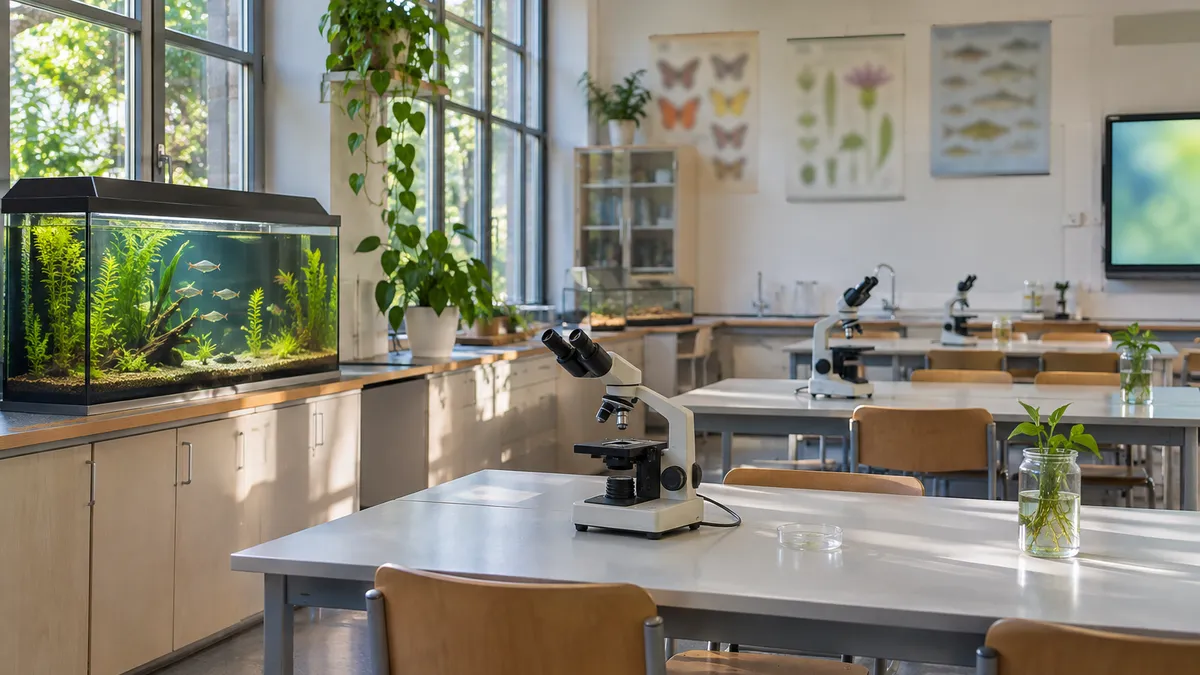
Three videos on fish breathing. Only one reaches the class.

A hedgehog drinks milk – says the AI. Is that right?
The mark list lies at the printer. For an hour.
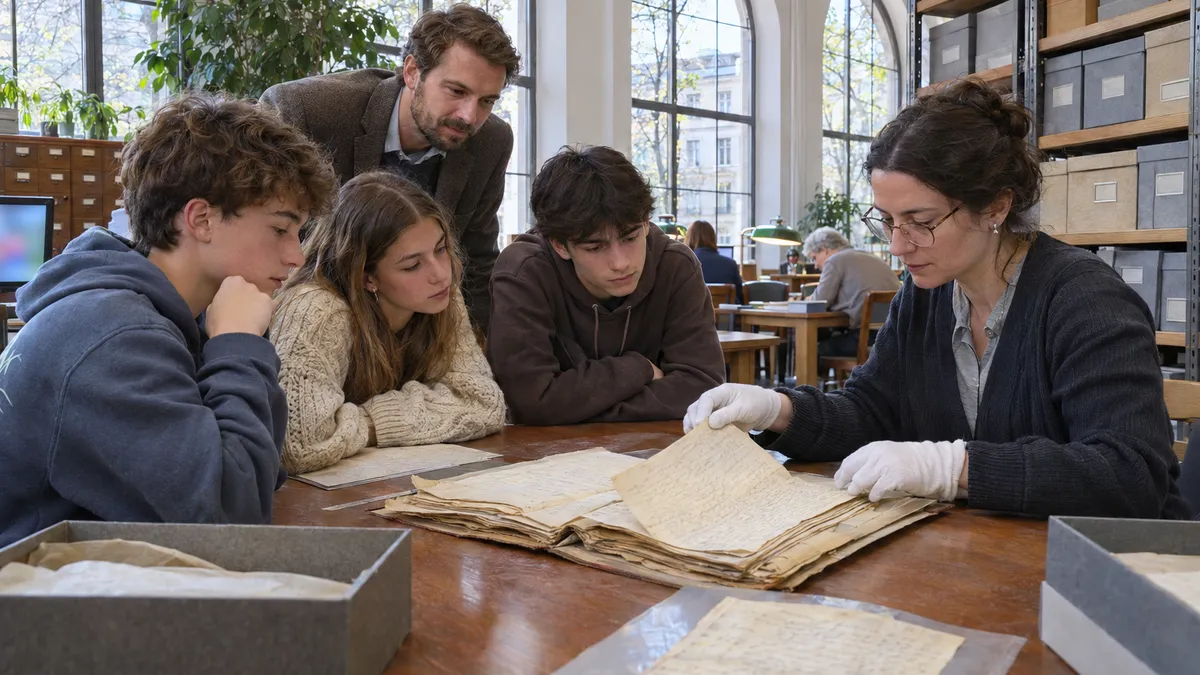
Halfway through the pair work, the Wi-Fi drops out.
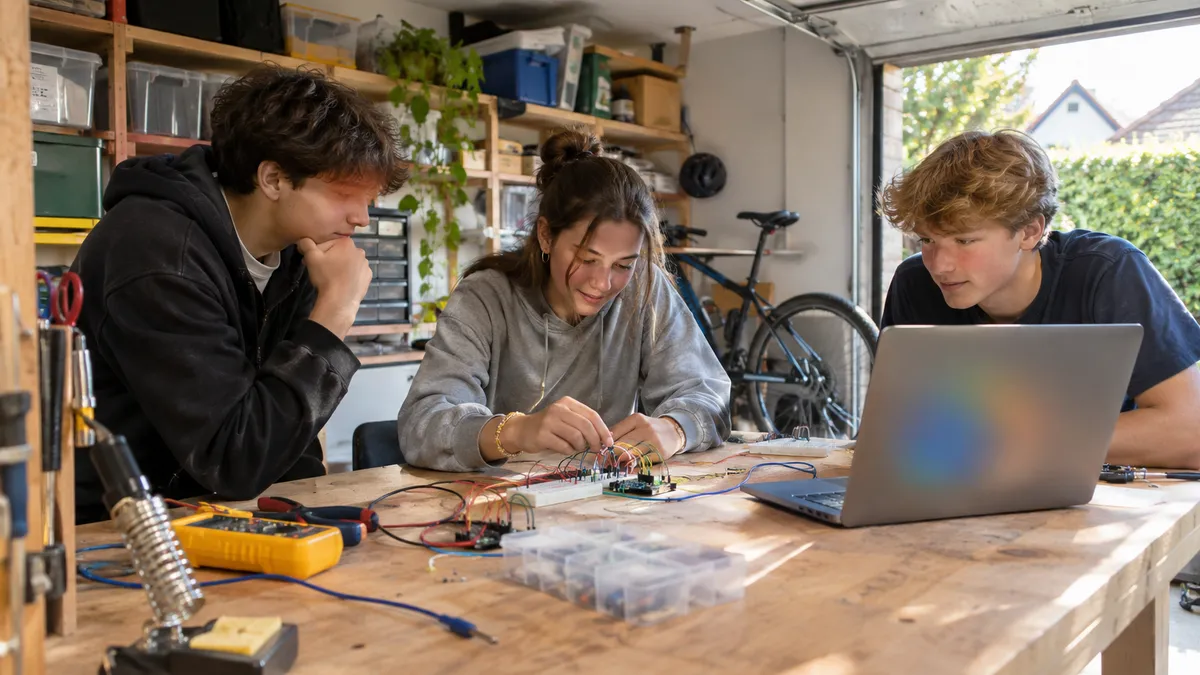
The next table is arguing loudly. Does Ayşe step in?
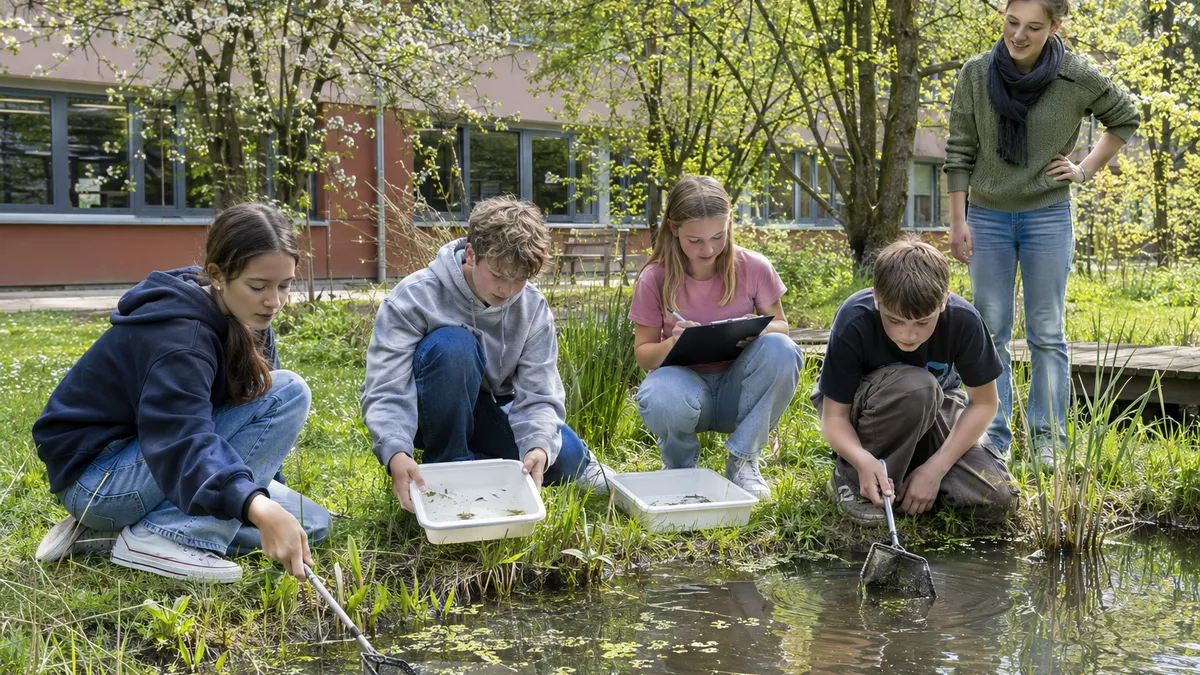
14 or 19 degrees? At the pond, both are right.
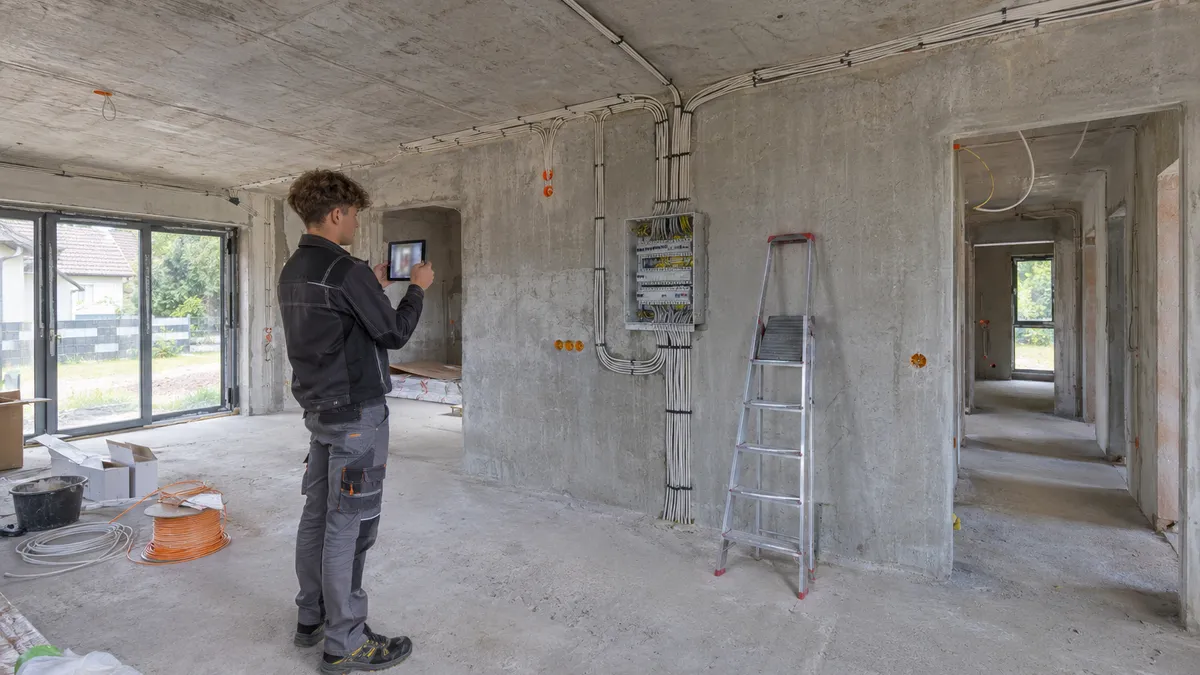
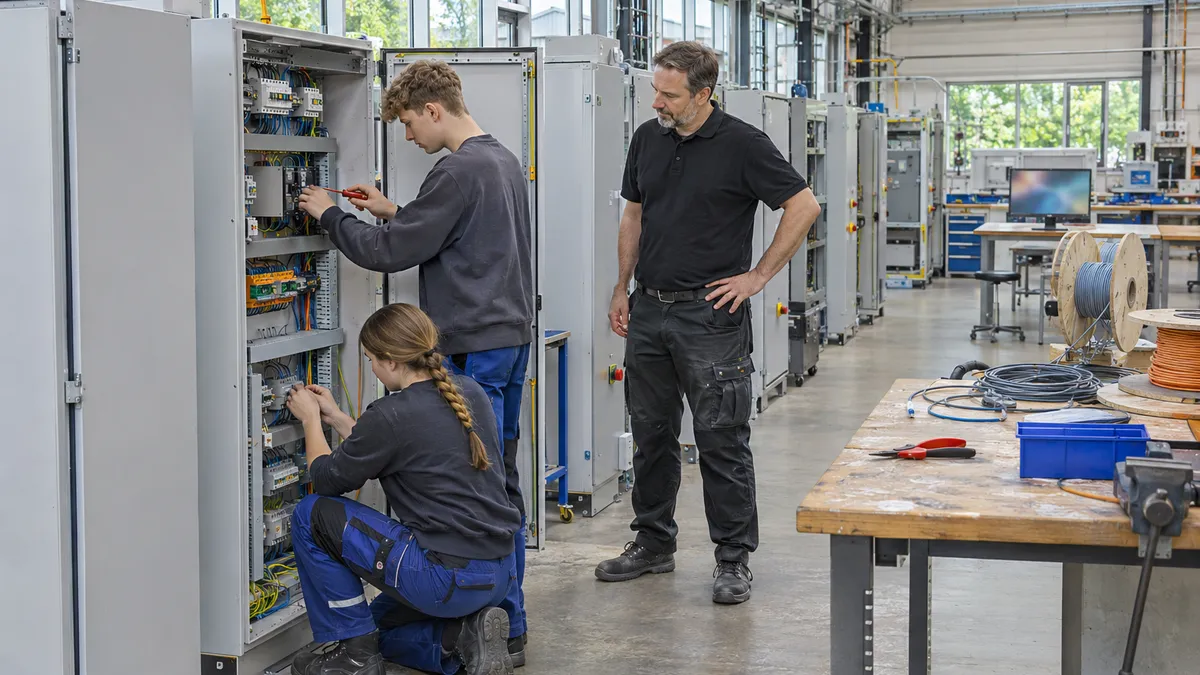
“Distribution board tested” – but what was learned?

Only 38 per cent solve it. But why?

24 drafts, little time – and in half of them nobody speaks.
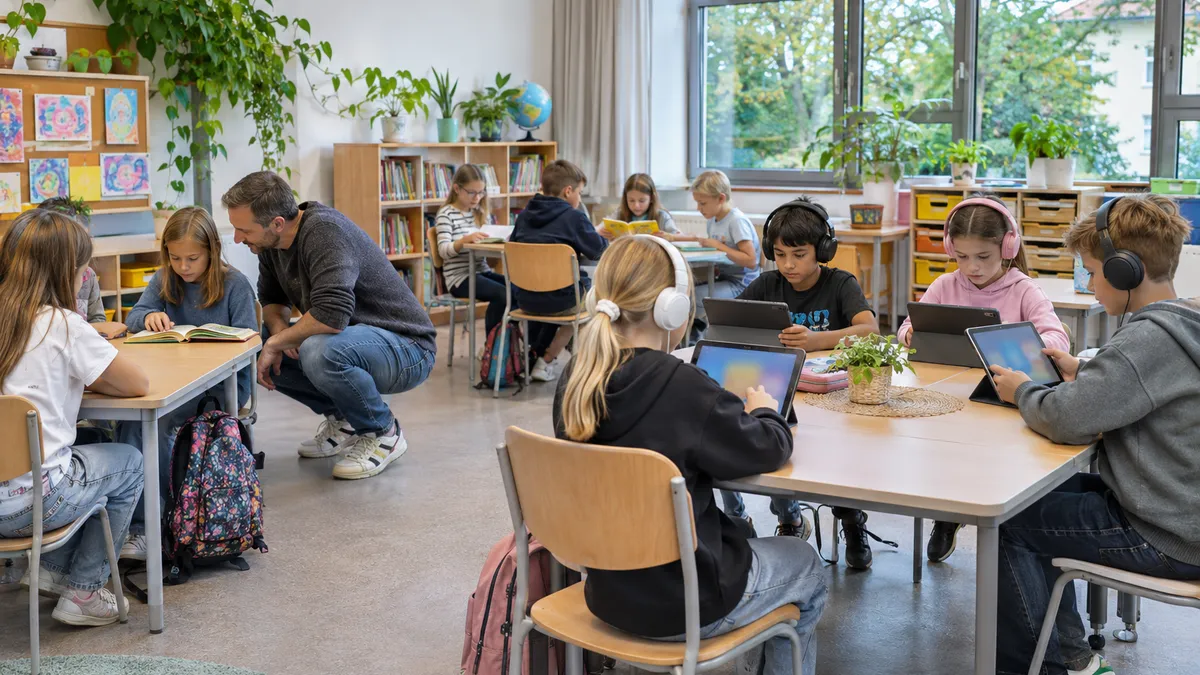
Twenty exercises, nearly all right. Why does the boy stall?
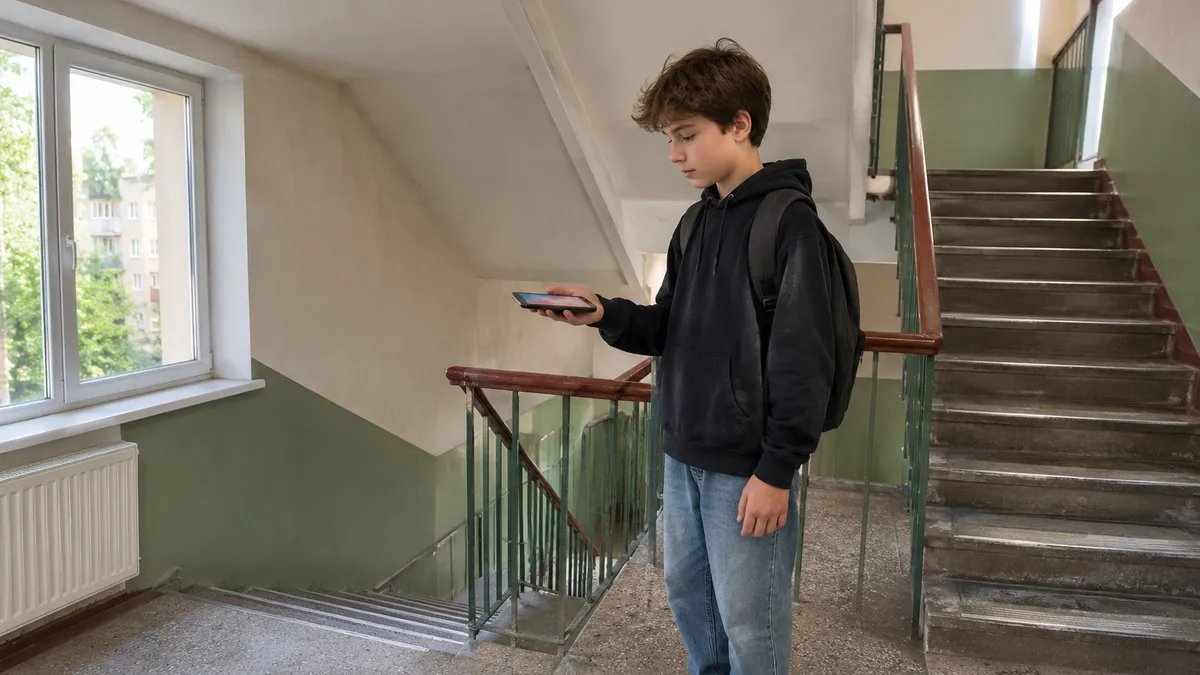
The phone rises to the ceiling. The pressure drops live.
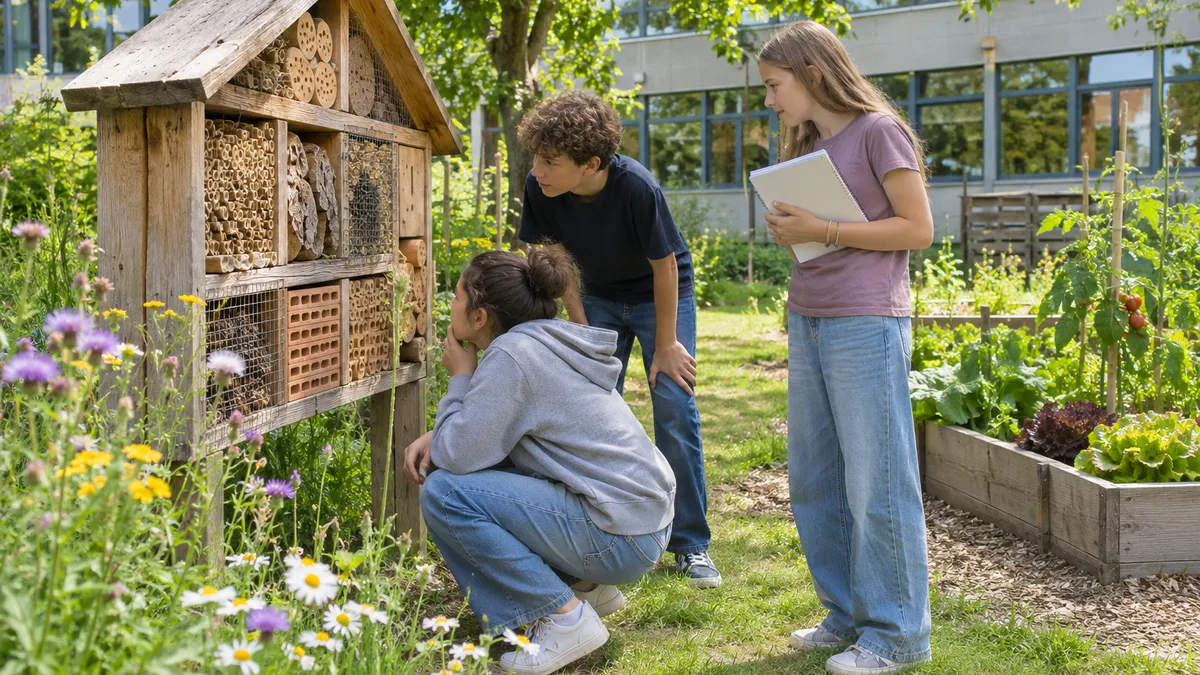
Three posters, one search hit, a bee with eight legs.
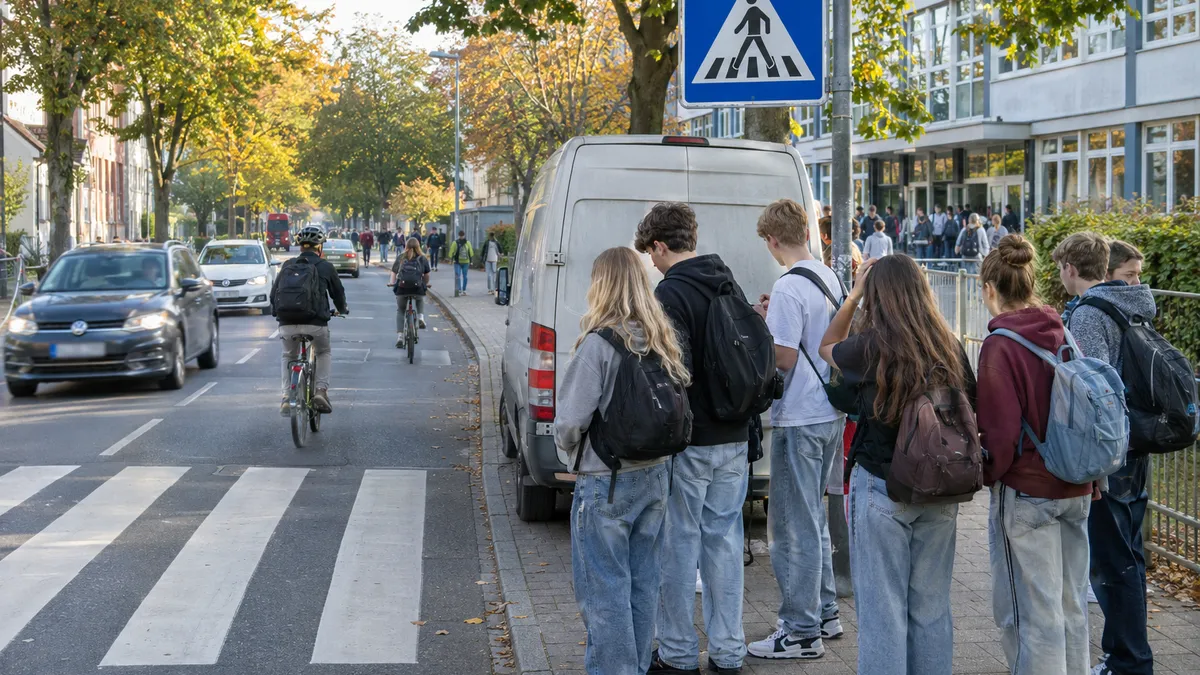
Short green light, sharp tone. Class 9c speaks up.
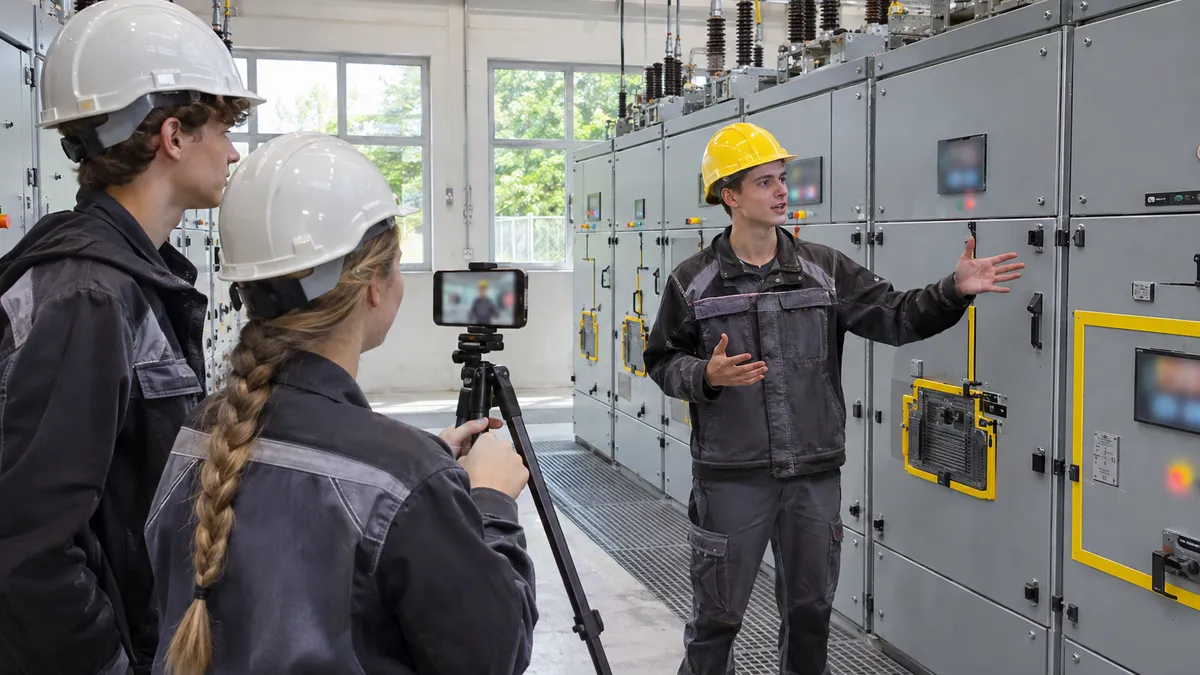
Five safety rules on film. Scene three misses a step.
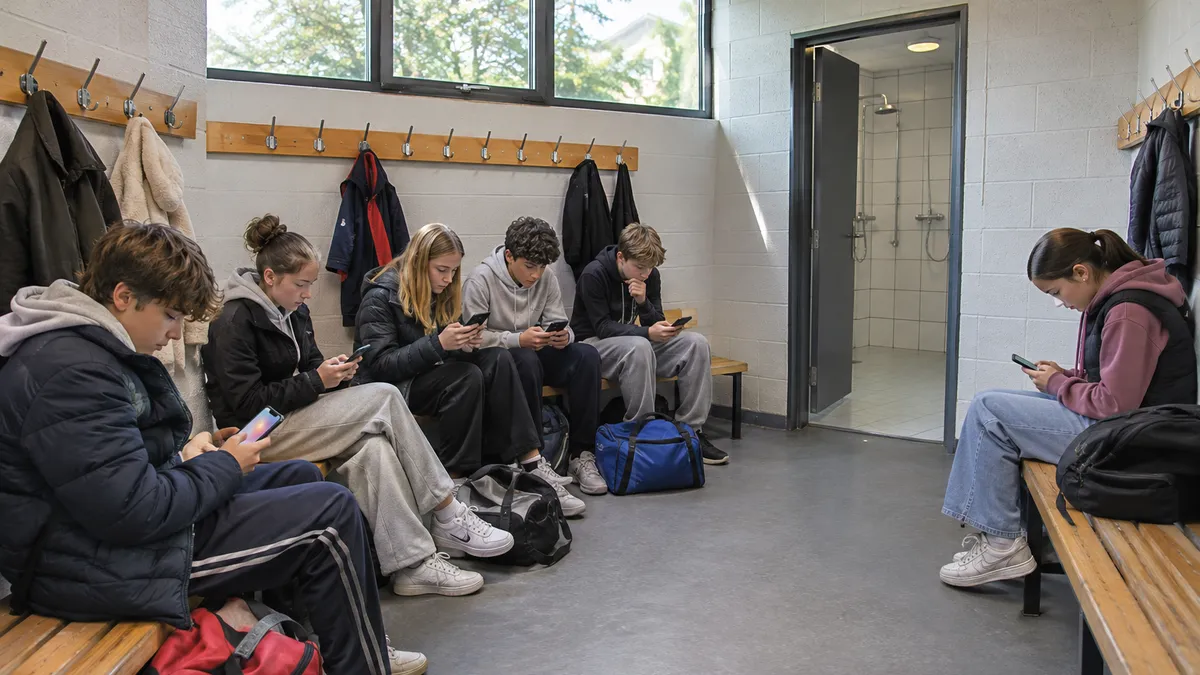
Hanna stands alone. The others laugh over a phone.
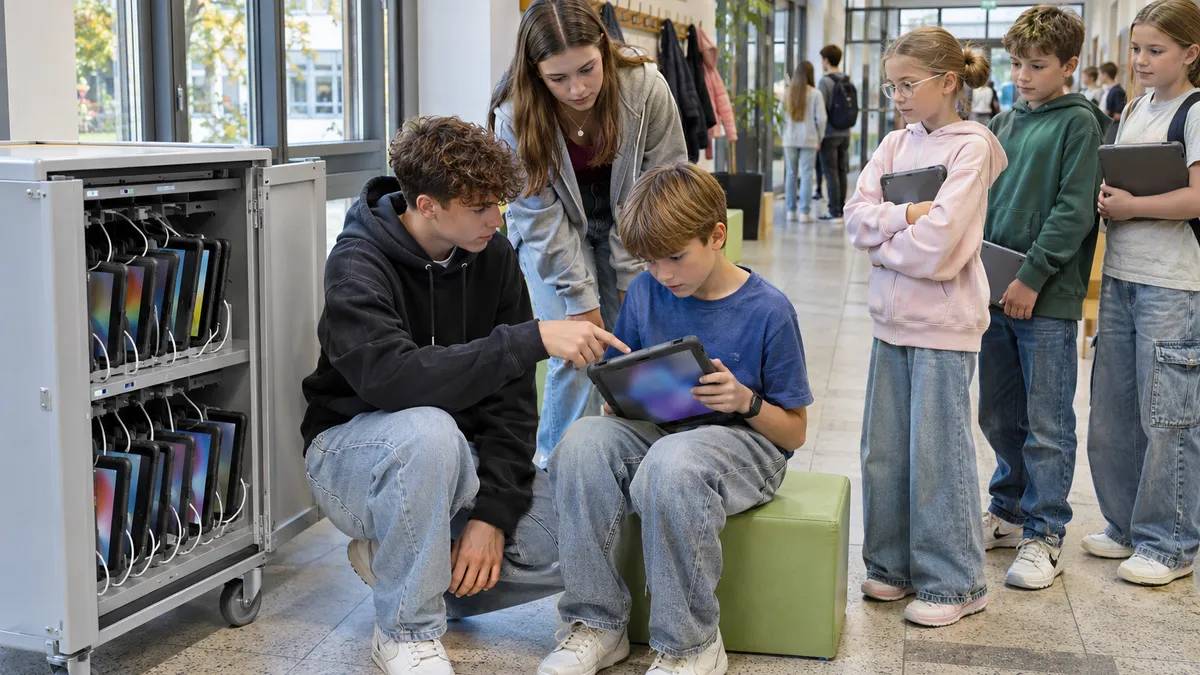
The tablet won’t connect. Same child, third time.
Module Structure
Each learning world fits into a seminar, course or staff meeting as a short session.
Five 360° scenes at the places of the case: at school, at home, at work.
Slides show what matters in the situation: messages, results, screens.
Narration for every scene, also available as text.
Five single-choice questions with feedback, including decisions from everyday school life.
Optional extension after the quiz, not needed for the core objectives.
Hardware-independent use
22 competences, six levels and a self-check that shows where you start.
Decide for yourself first, then live through the case, then compare.
Everyone stands in the same place and afterwards has the same case in mind.
Notes
The cases follow the European framework. Bavaria (DigCompEdu Bavaria) and Baden-Württemberg work with adapted versions, North Rhine-Westphalia with its framework for teachers in a digital world; they set partly different priorities and group competences differently. How a learning world fits a state's professional development offer is decided by the provider locally. Each school clarifies rules on data protection and approved tools according to its state's requirements.
Competences and levels after Redecker (2017): European Framework for the Digital Competence of Educators, European Commission Joint Research Centre; German terms after the Goethe-Institut translation. Concept catalogue by present4D, status November 2026. The learning worlds are planned and will be produced by agreement.